Is Your Chimney Liner Failing? Here’s What to Watch For
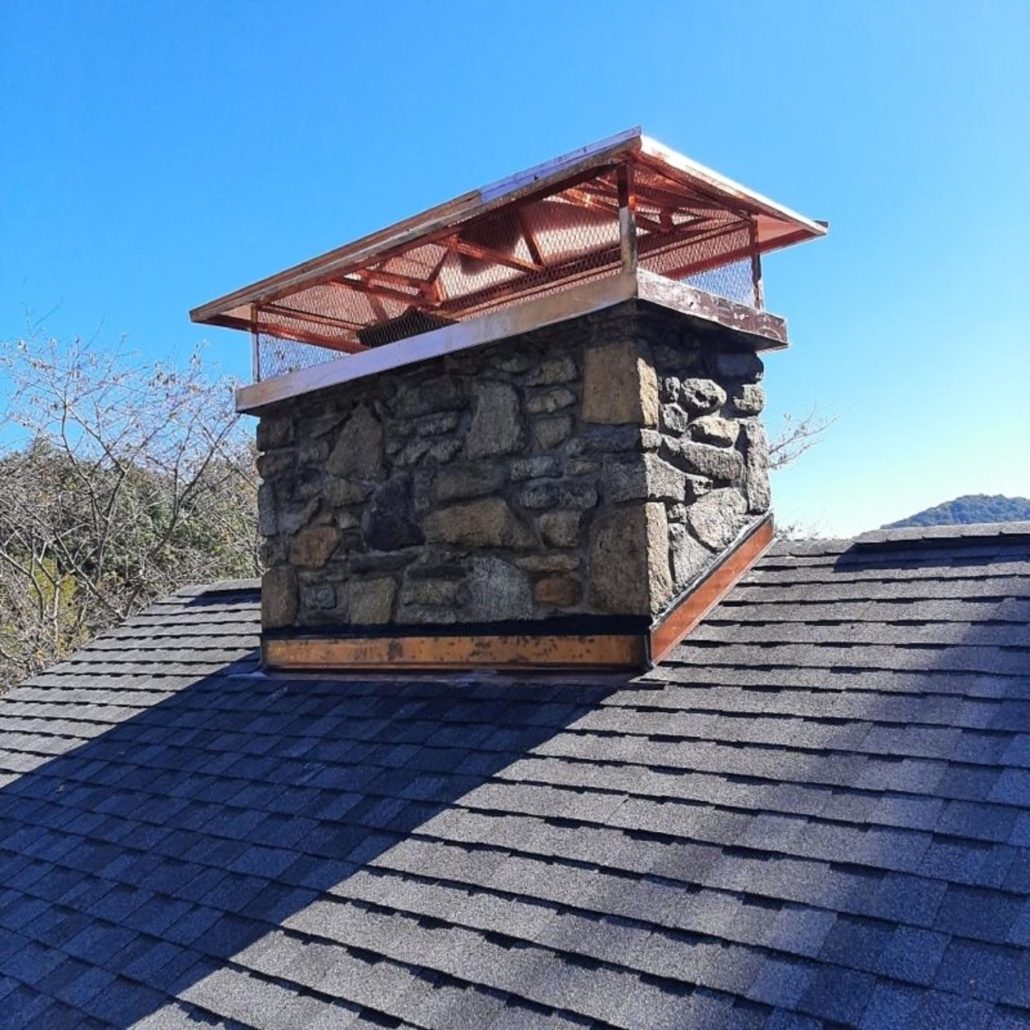
Is your chimney liner damaged? It’s something many homeowners tend to put off until it’s too late, but it can lead to serious safety problems like chimney fires or carbon monoxide poisoning. The chimney liner protects your home by directing dangerous gases, heat, and moisture safely out of your property. Over time, however, repeated exposure to hot temperatures, water, and acidic deposits can degrade the liner to the point where it cracks, rusts, or degrades. If your chimney liner is damaged, it can compromise your entire heating system.
Here in this blog, we’ll look into the specific signs that your chimney liner may be failing, such as odd odors, backup of smoke, or even a cracked appearance, and how you need to address such issues early to save on costly repairs and dangers.
What is a Chimney Liner?
A chimney liner is a protective coating installed in your chimney that channels noxious gases, smoke, heat, and moisture harmlessly outside your home. It also helps protect the chimney itself from rusting because of the corrosive effects of these materials, which over time cause damage. The liner shields against dangerous situations such as chimney fires, carbon monoxide poisoning, and damage to the chimney.
Critical Signs That Your Chimney Liner Is Failing
Your chimney liner is not just a defensive barrier—it’s an essential part of your system that protects your home from possible dangers. Heat, water, and particles have their way over time, and when disaster strikes, it can result in life-threatening conditions such as chimney fires or even carbon monoxide leaks. These are the main signs to look out for that could mean your chimney liner is failing:
1. Gaps or Cracks in the Liner
Your chimney liner develops cracks with time due to the interaction of heat, moisture, and age. The constant heating and cooling of materials as they expand and contract during burning cycles can compromise the liner. Your fire’s heat over the years can cause tiny cracks that develop into large cracks. The longer your liner is exposed to heat and humidity, the higher the chances that it will develop these issues.
Liner cracks seem harmless at first, but they can pose severe threats. Perhaps the most critical threat is the risk of carbon monoxide leaks. Carbon monoxide is an invisible, odorless gas that can prove lethal if it builds up in your home. A cracked liner will allow this gas to enter your home, threatening your well-being and health. Cracks also may allow hot gases and smoke to vent out, potentially leading to the ignition of a fire or structural damage to your chimney.
2. Rust or Corrosion
If your metal chimney liner is constructed of materials like stainless steel or aluminum, moisture and acid residues that are byproducts of burning fuel can lead to corrosion over time. Water vapor of combustion mixes with acid particles present in smoke to produce corrosive states, which may eat into the liner. Finally, the corrosion can render the metal weak until it becomes brittle and has holes or gaps.
When the metal corrodes, there can be small perforations, and harmful gases can be let into your home. The poor airflow can make your chimney less effective and contribute to more hazardous buildup. In more severe situations, a completely corroded liner can collapse, causing an enormous clog and preventing proper smoke and gas venting. If you notice rust or corrosion on your liner, it is a sign that you need to fix it before things get worse.
3. Unusual Odors or Smoke Back-Up
A compromised chimney liner will cause smoke to flow back into your living space, giving off odors. It is often a sign of insufficient ventilation or blockage of the liner. With a broken liner, your smoke and gases can’t be effectively pushed out of your home. Instead, the combustion by-products will be present in the chimney or backflow into your rooms, giving off a moldy or stinky smell.
The improper liner will also affect the combustion process itself. As airflow is restricted or minimized, it leaves combustion incomplete and fuel failing to burn in the optimal way. It yields more smoke as well as other products of combustion that enter your home. The moment you start noticing strange odors or smoke staying for hours after burning your fireplace or stove, you know that it is time to inspect your liner and make sure it works well.
4. Visible Creosote Buildup
Creosote is a very flammable chemical and the result of the incomplete combustion of wood or other burning material. When your smoke goes up your chimney, it cools and condenses, and creosote deposits are formed. These deposits build up over time in the chimney and liner.
Although small deposits of creosote are normal, too much creosote deposit is extremely dangerous and causes a significant fire hazard. When there is too much creosote buildup, it will catch fire and create a hazardous chimney fire. A deteriorated or defective liner can only worsen the issue since it will not seal or channel the smoke correctly and create further buildup of creosote.
5. Decreased Fireplace Efficiency
If your liner is not working, you might experience less efficiency in your fireplace or stove. A compromised liner limits air flow, so the combustion gases and smoke are not able to move as easily through the chimney. This low ventilation can lead to ineffective burning of fuel, producing a smelly, smoky fire that is not as hot.
When your fireplace or stove is not venting, it can suck a draft that pulls warm air out of your living room and up the chimney. This makes you lose heat and have to burn more fuel to stay comfortable. This, over time, can result in increased energy costs and a less comfortable home. If you’re noticing your fireplace isn’t as effective as it used to be, it could be time to have your chimney liner inspected.
What to Do If You Suspect a Failing Chimney Liner
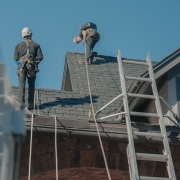
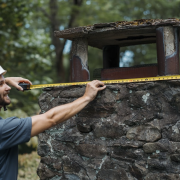
While there may be a temptation to do it yourself, chimney repair needs to be handled by the experts. An expert chimney sweep will possess the tools, knowledge, and expertise to inspect, diagnose, and repair your chimney liner safely. They can see defects that cannot be seen by an untrained individual, and more importantly, they can correct the problem before it becomes far more serious.
If you are in the Asheville, North Carolina region, WNC Chimney Solutions is the company to trust with your chimney needs. As a locally-owned business, it strives to make your chimney and fireplace system safe and efficient. With certified sweeps and years of experience, WNC Chimney Solutions offers superior service to help keep your home warm and safe. From their sharp inspections to professional cleaning and repairing, their team is prepared to fix all your chimney problems with care and attention.
Final Thoughts
Your chimney liner might not be the first thing you think about when it comes to home maintenance, but it’s definitely one of the most important. It’s the behind-the-scenes champion that ensures your fireplace works well and prevents your home from being invaded by unsafe gases, smoke, and even flames. However, just like everything else in your home, it can degrade over time. Leaks, rust, unusual odors, and even smoke reversals are all signs that something’s wrong, and ignoring them can lead to bigger problems down the road.
Keeping your chimney liner up to date now can save a world of hassle down the line—both for you and your wallet. So, if something seems off, don’t wait to call in the experts at WNC Chimney Solutions. Your home (and your sanity) will appreciate it. Stay warm, stay safe, and keep your chimney in line!